Are Old Homes Built Better
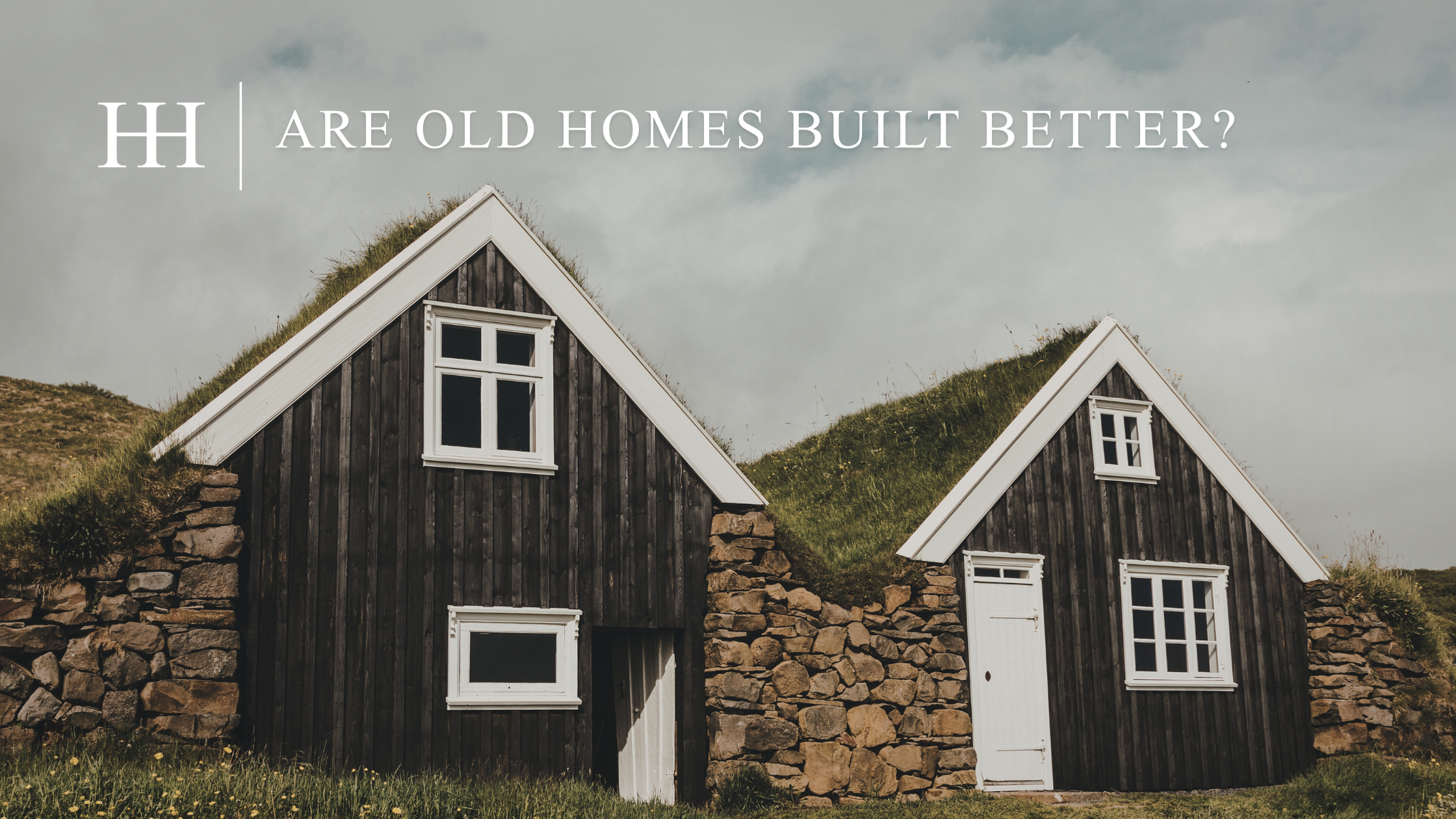
There’s something about older homes that feels different the moment you step inside. They weren’t just dropped on a lot; they were placed with consideration for the land, preserving trees and topography instead of clearing everything down to the red clay that so often dominates new developments. The layouts were thought through, the proportions measured, and the craftsmanship built to last.
It raises questions that every homeowner considering a renovation or a new build eventually asks:
Were old homes built better?
Have modern building standards and construction practices lowered the bar?
And if we love the quality of older homes but want modern style and functionality, how do we create spaces that honor the past while meeting today’s needs?
Old Homes
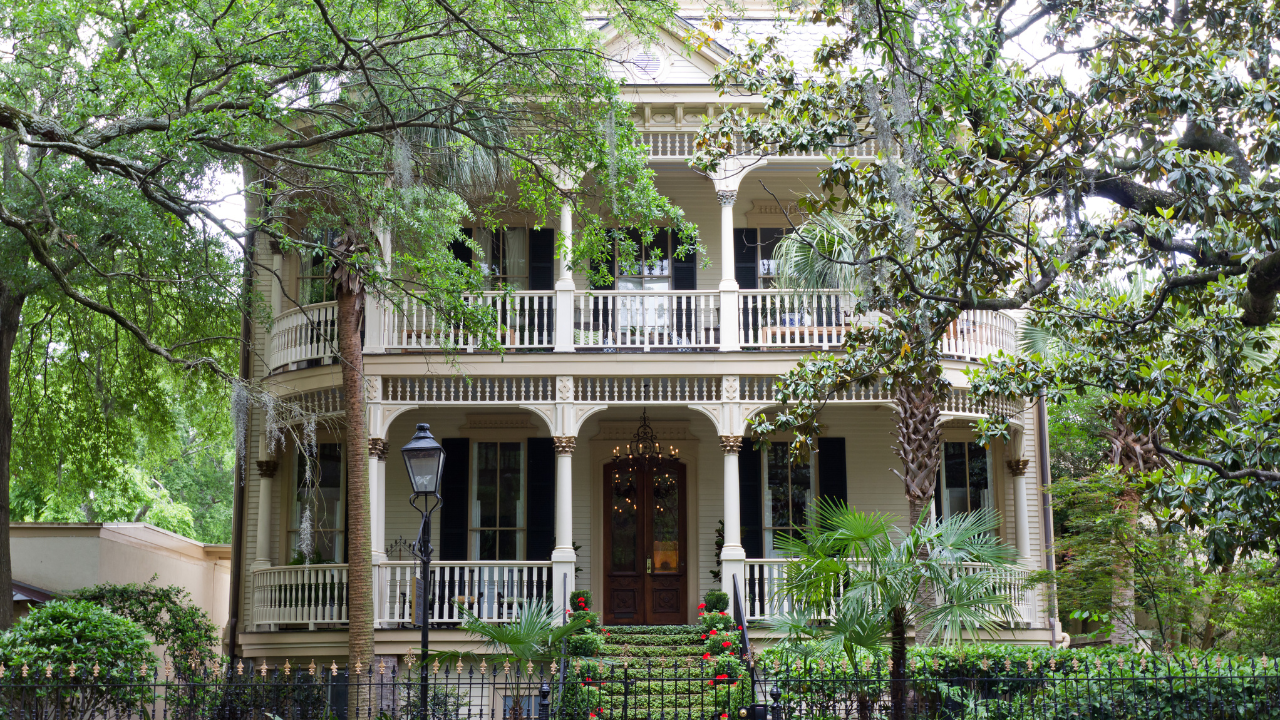
Many older homes carry a sense of permanence.
They were built with a kind of patience and attention to detail that is rare today.
Pros:
Older homes offer unmatched quality and craftsmanship. The materials were often selected to last for decades. The architecture has character and proportion, giving rooms a sense of permanence. Landscaping and lot placement were usually thoughtful, creating harmony between the home and its surroundings.
Cons:
Layouts can feel outdated. Kitchens, bathrooms, and storage may not match modern lifestyles. Mechanical systems like plumbing, electrical, and HVAC often need updating. Structural constraints can make renovations more complex and expensive.
Old homes have a permanence and charm that is hard to replicate, but they usually require thoughtful updates to function for modern life.
New Construction
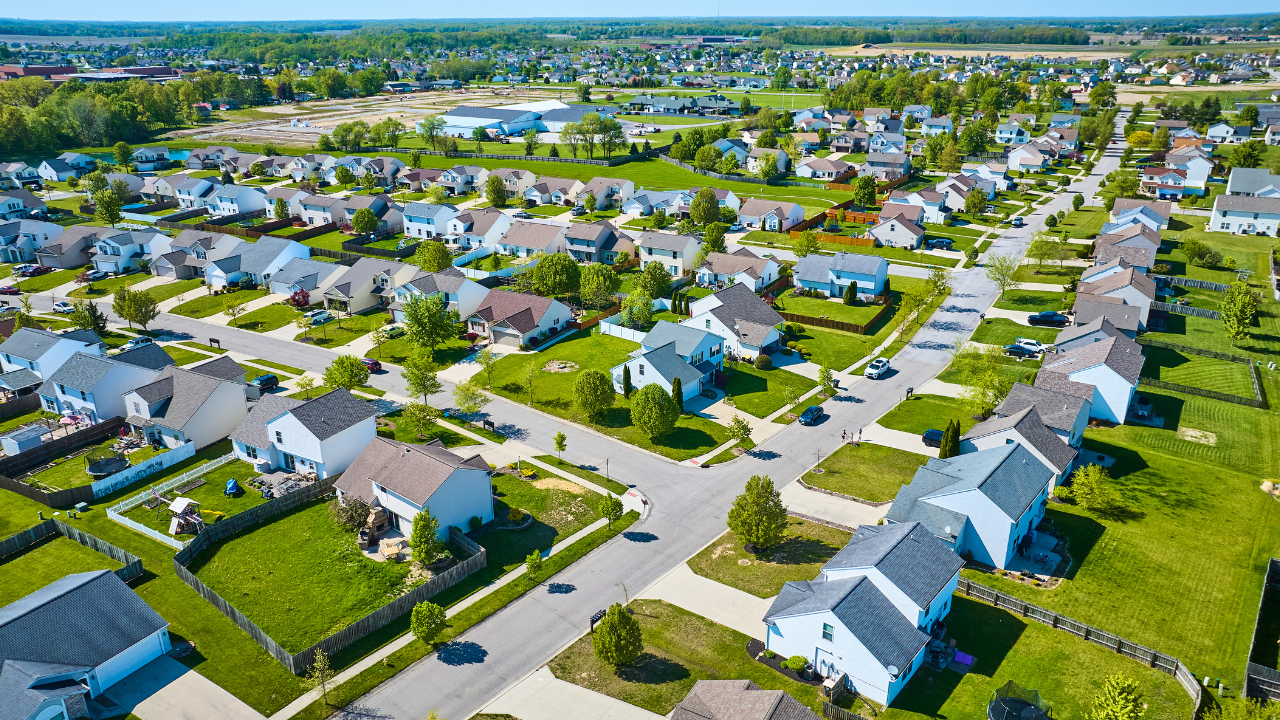
Starting fresh offers control. Layouts can match exactly how you live today, and energy-efficient systems and technology can be integrated seamlessly.
Layouts can match exactly how you live today, and energy-efficient systems and technology can be integrated seamlessly.
You choose finishes, materials, and details to suit your tastes, and maintenance concerns are minimal in the first years.
Pros:
New construction offers flexibility to design spaces for modern life. Technology and energy efficiency are easier to integrate. You can tailor materials and finishes to your style, and you avoid immediate maintenance issues.
Cons:
Many new homes rely on pre-designed layouts, standardized materials, and faster build schedules, which can make spaces feel less distinctive. Lots are often graded flat, and the home’s connection to the landscape can feel minimal. Architectural details and custom finishes that give character and a sense of permanence are rare in most developments.
New construction delivers convenience and customization, but it can lack the depth and quality found in older homes.
Finding the Perfect Balance
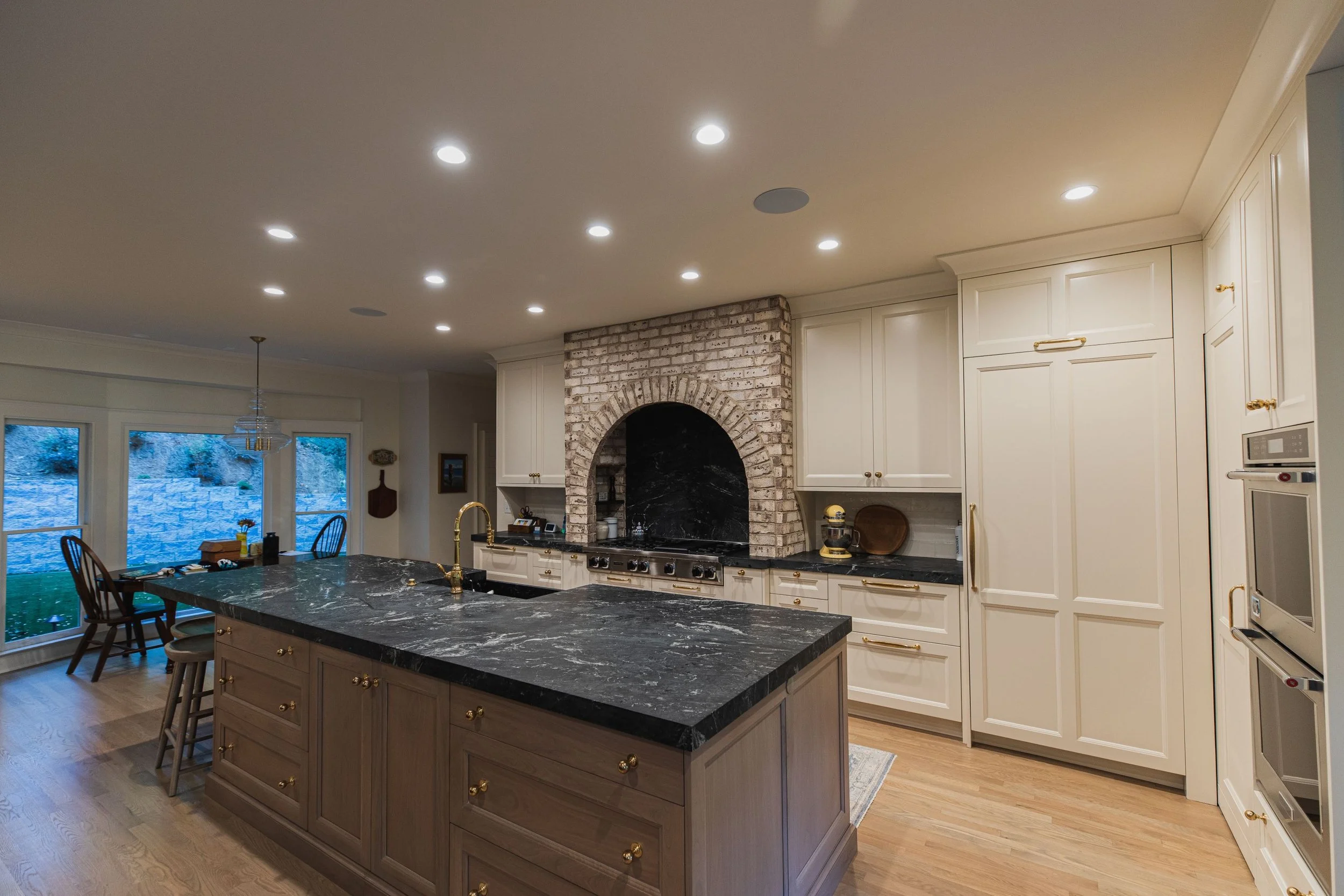
Consider what matters most to you in your home.
Quality and thoughtful design don’t have to be a trade-off.
The best approach combines the strengths of older homes with the benefits of modern construction. Strong, durable materials and craftsmanship, attention to detail, and a home that fits naturally into its surroundings can all be paired with layouts, systems, and finishes designed for today’s lifestyle.
You shouldn’t have to sacrifice quality and functionality to have the home of your dreams. A well-planned custom home balances timeless construction with modern comforts, creating a space that looks beautiful, works effortlessly, and continues to feel right for years to come.