What the Holidays Reveal About Your Kitchen
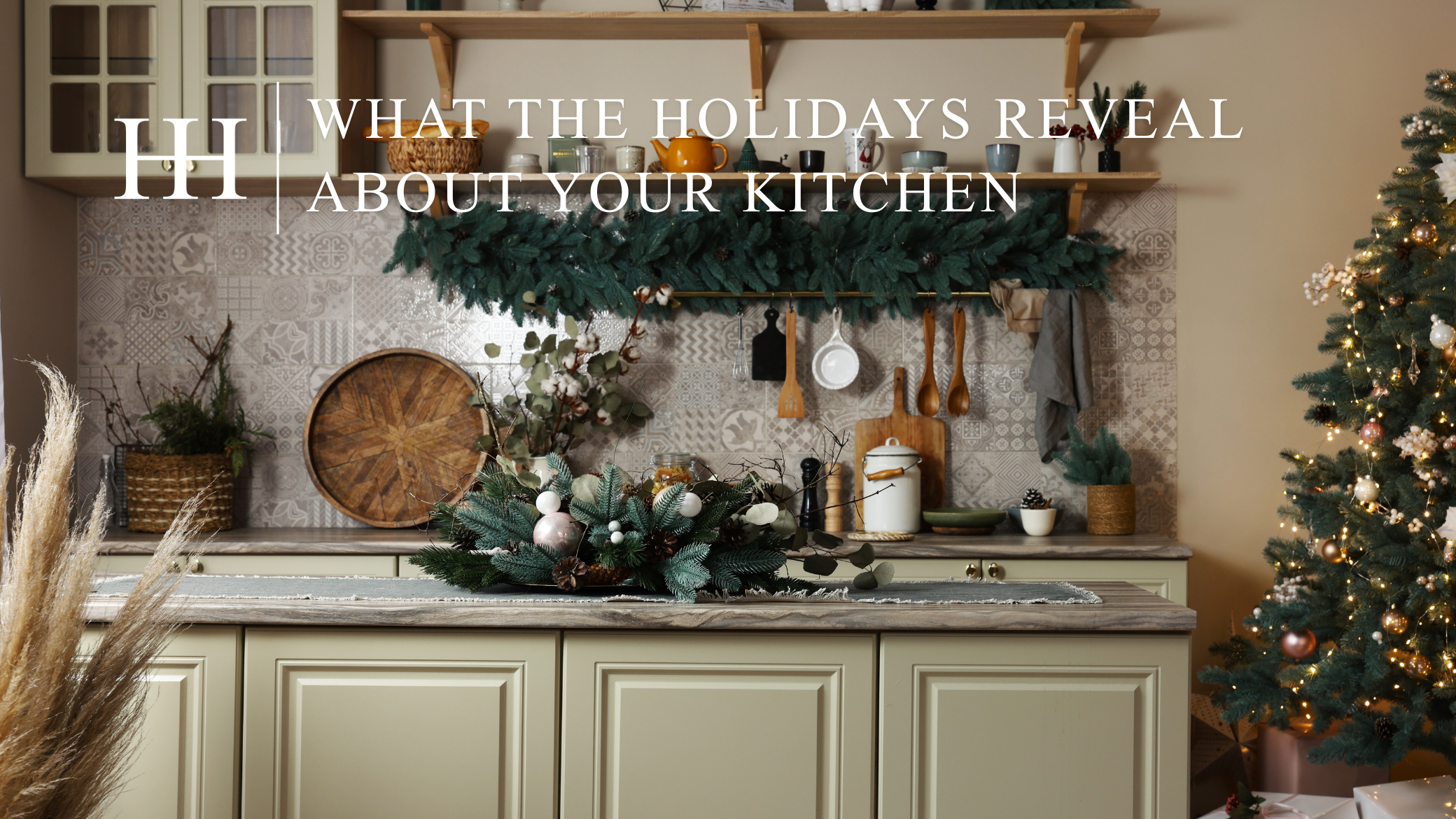
Holidays quickly reveal whether a kitchen truly works. Guests arrive, the counters are overflowing, kids are running through the space, and everyone needs to utilize the same spot at the same time. Every movement feels crowded, and every flaw in the layout becomes impossible to ignore. A kitchen either supports the season or makes it harder.
We see this pattern every year. Families don’t call because they want prettier cabinets; they call because their kitchen can’t keep up with the way they live. And nothing puts that pressure on a space faster than the holidays.
The Kitchen: The Real Heart of the Holidays
Even in homes with ample living space, the kitchen draws everyone in. It becomes the nerve center for cooking, serving, talking, cleaning, and pacing. If the layout creates bottlenecks, everything feels harder. If the appliances compete with each other, meal prep becomes chaotic. If there isn’t enough room for multiple people to work, someone always ends up frustrated.
A strong layout prioritizes movement. It isn’t about having a huge kitchen; it’s about having one that works:
Room for more than one person to prep comfortably
A clear path from fridge to sink to stove
Counter space where you need it, not where it happened to fit
An island that supports the flow rather than blocking it
Storage that keeps the mess out of sight during the busiest moments
Many families discover they don’t need a larger kitchen, just one designed with intention.
Dining During the Holidays: What You Actually Need
A big question homeowners ask is whether they need a formal dining room. Most of the time, the better question is how the kitchen and living space can work together to create a flexible dining area.
If a dedicated dining room only gets used twice a year, it may not add value to your daily life. Instead, a well-planned layout often creates sufficient space between the kitchen and living room for a large table that can be expanded when needed. This keeps the whole gathering connected without adding a room that sits empty most of the year.
The strongest spaces are the ones that support your routines long after the holidays end.
You Might Ask Yourself
These are the questions holiday hosting brings to the surface:
“Where will the Christmas tree fit without blocking everything?”
If the only spot cuts off pathways, your living area may need better flow or furniture placement.
“Should I add a dining room for big meals?”
Only if it adds everyday value; otherwise, consider a flexible dining area or a multipurpose room that adapts when guests arrive.
“How can guests gather in the kitchen without being in the way?”
Create a social zone: a seating nook, a small drink station, or an island with space for people to sit and watch, rather than hover.
“Where do all the coats, bags, and gifts go?”
A simple solution, such as a few built-ins or a small mudroom-style landing spot, can keep clutter under control.
These questions aren’t about holiday stress; they reveal how well your kitchen serves your life the rest of the year.
A Kitchen That Works for Every Moment
Good design supports your daily routines first. When your kitchen functions well on an ordinary Tuesday, it naturally supports the chaos, warmth, and rhythm of the holidays. Hannah and the team at Howland Homes start with one question: How can this home best serve the family every day?
When that question is answered, the holidays feel lighter, the cooking feels smoother, and the heart of the home finally feels like it fits the way you live.